Wolna Bialorus
Trending News from Belarus!Blog Archives
The Rules, Rank, and Tradition of Military Desk Name Plates
Friday , 3, October 2025 Gift Ideas Comments Off on The Rules, Rank, and Tradition of Military Desk Name PlatesMilitary desk name plates are more than just an identifier; they’re a symbol of rank, tradition, and authority. These seemingly simple objects are governed by a strict set of rules, and their design, placement, and content all communicate specific information about the individual and their position within the military hierarchy.
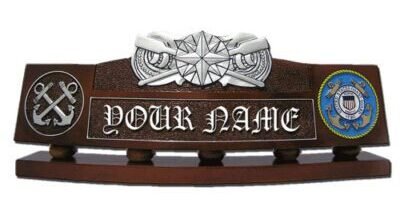
The history of military desk name plates is intertwined with the evolution of military decorum. In the past, officers’ personal items, including their desks, were often marked to denote ownership and rank. Over time, this practice evolved into the standardized name plates we see today, which serve not only a functional purpose but also a ceremonial one. They are a visual representation of an individual’s commitment and progression through the ranks, and a physical testament to their service.
The rules surrounding military desk name plates vary slightly between different branches of the U.S. armed forces, but several core principles apply across the board. The name plate itself is typically made of wood, often a dark, rich mahogany or a similar hardwood, with brass or gold-colored lettering. This combination of materials evokes a sense of durability, prestige, and timelessness. The dimensions are usually standardized to ensure a uniform appearance in offices and on desks throughout a unit.
One of the most crucial elements is the content of the name plate. The top line almost always features the individual’s full name, including their rank. For example, it might read “Colonel John R. Doe” or “Sergeant Major Jane P. Smith.” This immediate display of rank is vital for establishing the chain of command and ensuring that all personnel can properly address their superiors. The second line is often reserved for the individual’s branch of service (e.g., “U.S. Army,” “U.S. Marine Corps”) or their specific occupational specialty, particularly for high-ranking officers or non-commissioned officers. This provides context for the individual’s role and expertise.
The placement of the desk name plate is also a matter of tradition and protocol. It’s almost always centered on the front edge of the desk, facing outward. This allows visitors and subordinates to immediately identify the individual, but it also symbolizes the individual’s role as the focal point of the office and a leader for their team. It’s a subtle, yet powerful, statement of their authority and responsibility. For those who hold multiple positions or have special awards, there are often additional rules for displaying these on or near the name plate, such as small badges or pins.
In addition to the formal rules, there’s a significant amount of tradition associated with these name plates. They are often given as gifts upon promotion or retirement, becoming cherished keepsakes. A retiring officer or enlisted member’s name plate is a tangible reminder of their years of service, the rank they achieved, and the people they led. For many, it’s one of the most meaningful mementos they receive. This tradition reinforces the idea that the name plate is more than just a piece of wood and brass; it’s a symbol of a career, a legacy, and a community.
The presence of a name plate on a desk instills a sense of order and formality in a military environment. It helps maintain the strict structure of military life and contributes to the professionalism of the office space. It reminds everyone who enters the room of the clear lines of authority and the importance of respect for rank. Ultimately, the rules, rank, and tradition of military desk name plates are not about vanity. They’re about honoring service, maintaining order, and visually representing the dedication and leadership that are the foundations of any effective military force.